
NFT Gaming - Hype, Reality, and What It Actually Means for Your Career
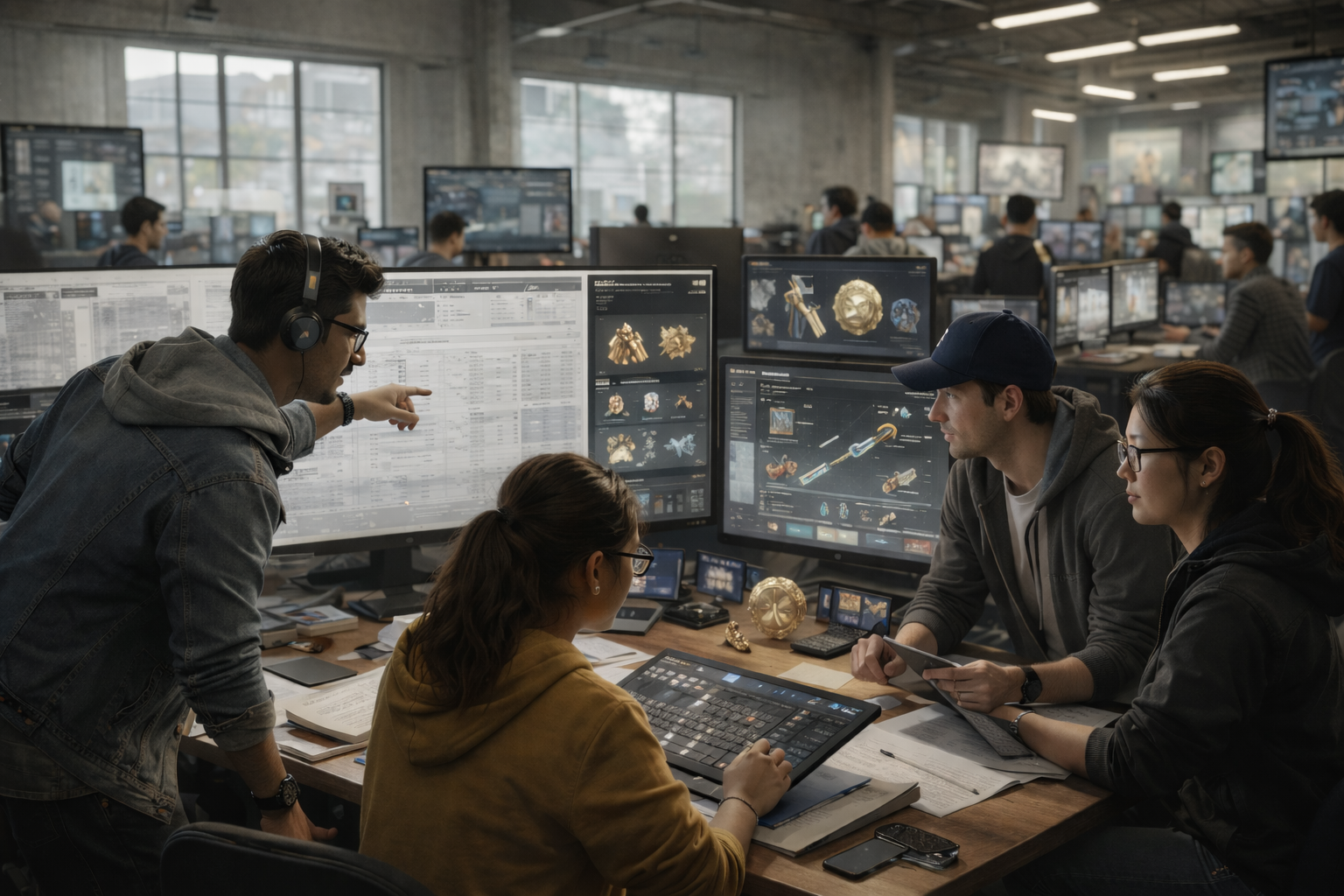
Okay, let's have an honest conversation about NFT gaming. It's been hyped, criticized, mocked, and misunderstood. But here's the thing: while everyone was arguing about it, NFT gaming quietly grew into a $470 billion market in 2024, projected to reach $940 billion by 2029. So let's separate the hype from reality.
What NFT Gaming Actually Is
Strip away the jargon and the speculation: NFT gaming means players
have verifiable ownership of in-game assets—characters, items, land,
whatever—that exist on a blockchain. Unlike traditional games where
your purchased sword disappears when the game shuts down, NFT assets
live in your digital wallet.
You can sell them, trade them between compatible games, or potentially keep them even if the original game ceases to exist. Standards like ERC-721 and ERC-1155 on Ethereum provide the technical backbone for this ownership model.
The play-to-earn concept means players can actually make money playing games through token rewards, NFT sales, or participating in the game economy. This isn't theoretical—people in Southeast Asian countries have generated significant income from games like Axie Infinity.
Why It Matters Beyond the Hype
Here's what's genuinely interesting about NFT gaming, regardless of
how you feel about crypto: it fundamentally changes the
player-developer relationship. In traditional gaming, developers
control everything. In NFT gaming, players have actual stake in the
ecosystem.
This creates interesting dynamics. Players are incentivized to promote the game because it increases their asset values. Communities become co-creators, not just consumers. Guilds form around helping new players because everyone benefits from ecosystem growth.
For developers and creators studying at animation courses in Gurgaon or any top institute in Gurgaon, this represents new economic models. Instead of one-time sales, developers can earn ongoing royalties from secondary market trades. Asset creators can build sustainable businesses supplying in-game content.
The Games That Actually Work
Let's look at what's actually successful rather than failed
experiments. Axie Infinity maintains over a million active
players despite market corrections, with an updated "Origins"
version that lowered entry barriers. The game's economy features
guilds, scholarships, and staking mechanisms.
Illuvium delivers AAA-quality graphics using Unreal Engine 5 while maintaining blockchain functionality. It's an actual good game first that happens to use NFTs, rather than an NFT experiment pretending to be a game.
Gods Unchained created a genuinely competitive card game where you actually own your cards as NFTs. The gameplay holds up independent of the blockchain elements—that's crucial.
The Sandbox allows users to create, share, and monetize virtual experiences and assets. It's essentially a blockchain-powered game engine where creators maintain ownership of their work.
The Technical Skills Required
If you want to work in NFT game development, you need traditional
game development skills first—3D modeling, animation, game design, programming. The blockchain elements are additional, not replacements for
fundamentals.
You'll need understanding of blockchain basics—not necessarily deep coding, but conceptual understanding of how smart contracts, wallets, and decentralized systems work. You'll need familiarity with NFT standards and marketplaces.
More importantly, you need understanding of tokenomics—how in-game economies function, what makes them sustainable versus exploitative, how to balance earning potential with gameplay enjoyment. This is part economics, part psychology, part game design.
The best animation institutes in Gurgaon are beginning to offer blockchain and web3 modules within game development programs. If your program doesn't cover this yet, self-directed learning through online resources is essential if you're interested in this sector.
The Honest Challenges
Let's not pretend everything is perfect. Early NFT games had
unsustainable token economics—they could only function while new
players kept joining. Many collapsed spectacularly, hurting real
people who invested money they couldn't afford to lose.
Environmental concerns about blockchain energy consumption are legitimate, though Layer-2 solutions and proof-of-stake systems are addressing this. Transaction fees can be prohibitive on certain blockchains. User experience is often clunky compared to traditional games.
There are genuine ethical questions about gambling-like mechanics, economic inequality within game ecosystems, and whether play-to-earn creates exploitative dynamics where wealthier players extract value from less wealthy players.
The Maturing Market
Here's what's improved dramatically since the 2021 hype cycle:
Layer-2 scaling solutions enable gas-free or low-cost
transactions. Games like Illuvium on Immutable X let players
interact with NFTs without paying transaction fees for every action.
Cross-chain bridges are improving, allowing asset transfers between different blockchains. AI integration is creating more dynamic, personalized gameplay that adapts to individual players. Embedded wallets simplify onboarding—players can start without understanding crypto wallets.
Sustainable tokenomics have replaced ponzi-like early models. Modern NFT games reward skill and time investment rather than pure speculation. Free-to-play options exist alongside premium paths, lowering barriers to entry.
Career Opportunities Beyond Gaming
Here's something often overlooked: NFT gaming skills translate to
broader applications. Virtual fashion brands are creating digital
wearables. Museums are digitizing collections as NFTs. Real estate
companies are experimenting with virtual property showrooms. Music
artists are releasing NFT-based albums with unique experiences.
The skills involved—3D asset creation, blockchain integration, digital marketplace knowledge, community management—are valuable across industries, not just gaming. Students from animation courses in Gurgaon who understand both creative fundamentals and blockchain technology have unique positioning.
The Practical Approach
If you're curious about NFT gaming but skeptical (healthy attitude,
honestly), here's a pragmatic approach: Start by playing some
free-to-play NFT games to understand user experience. Explore
creation tools on platforms like The Sandbox or Decentraland.
Learn the basics of how blockchain and NFTs function—not to become a crypto expert, but to understand the underlying technology. Study both successful NFT games and failed ones to understand what separates them.
Consider NFT gaming as one specialization within broader game development expertise. Don't bet your entire career on it, but don't ignore it either. The market is too significant and growing too fast to dismiss entirely.
The Bottom Line
The NFT gaming market's growth from $470 billion in 2024 to a
projected $940 billion by 2029 reflects real user adoption and
proven business models. Whether you personally believe in
cryptocurrency philosophy doesn't change these market realities.
For aspiring game developers and artists studying at the top institute in Gurgaon or anywhere else, NFT gaming represents legitimate opportunity alongside traditional gaming careers. The key is maintaining a balanced perspective—understanding both the potential and the pitfalls.
Ready to Explore NFT Gaming Development?
The technology is here, the market is established, and the skills
are teachable. Whether NFT gaming becomes the dominant model or
remains a significant niche, professionals who understand it will
have career advantages over those who ignored it because of hype
cycles and controversy.
Approach it with eyes open, critical thinking engaged, and willingness to learn. That's how you turn emerging technology into a career opportunity.
If you want comprehensive training in game development, blockchain integration, 3D animation, or NFT asset creation, now is the time to build your skills. Our industry-focused programs cover everything from traditional game design to cutting-edge blockchain applications used in today's successful NFT games.
Take the next step:
Enroll today and master the skills that bridge traditional gaming
with blockchain innovation.
Build your career in the evolving gaming landscape — Admissions
Open.