
Metaverse Gaming - Beyond the Hype, Here's What's Actually Happening
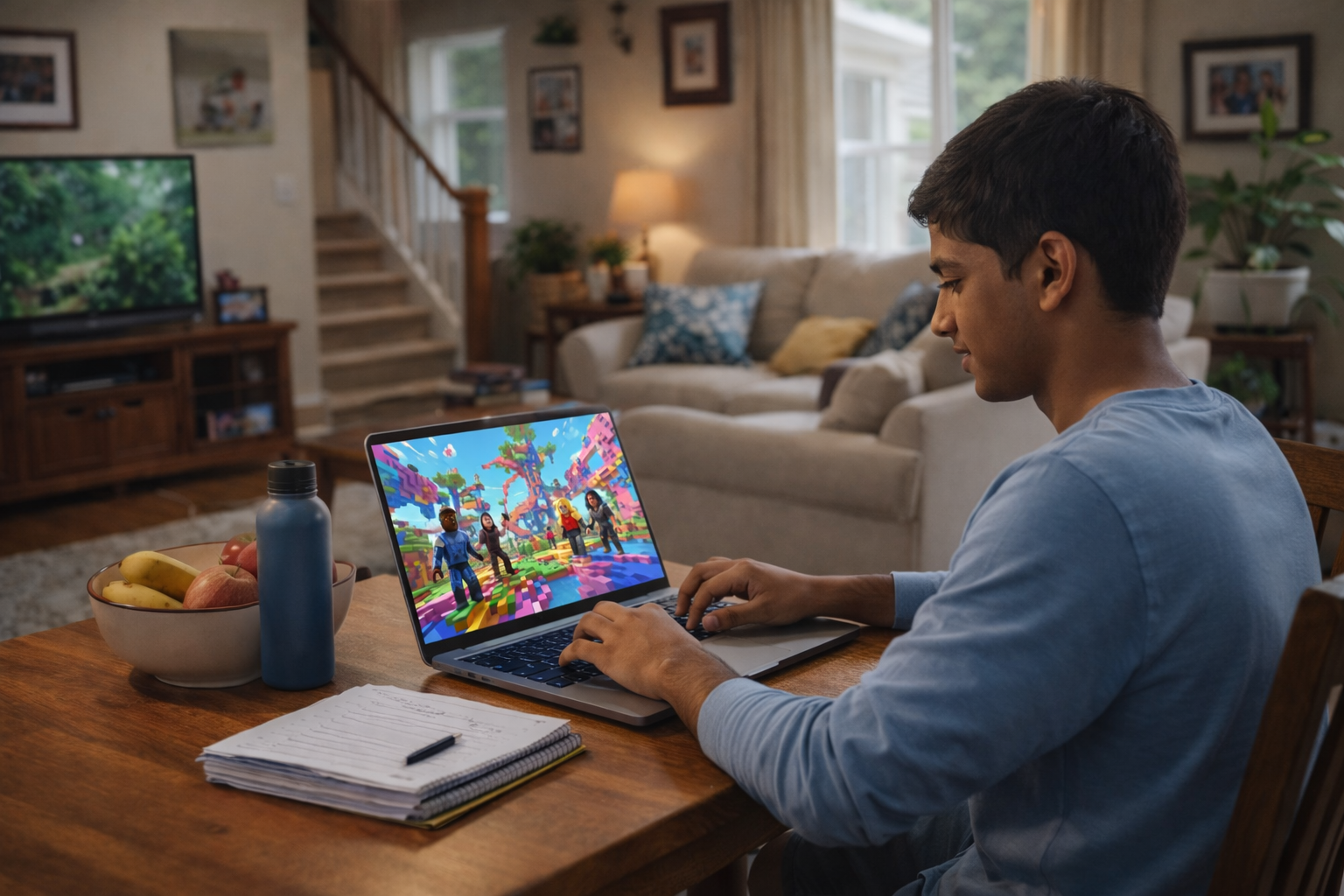
Let's cut through the noise. The metaverse became a buzzword, got overhyped, then got written off by skeptics. But while everyone was arguing about whether it's real, something interesting happened: it actually became real.
The Numbers Tell a Different Story
The metaverse gaming market is worth $31.6 billion in 2025,
up from $22.7 billion just two years ago. By 2033, it's projected to
reach $216.14 billion. These aren't speculative numbers—these
represent actual platforms with millions of active users spending
real money.
Roblox, Fortnite, Minecraft, Decentraland, The Sandbox—these platforms collectively serve roughly 700 million monthly users. That's not a future prediction; that's happening right now. Gen Z accounts for about 60% of total users, with a significant portion under sixteen.
What the Metaverse Actually Is (Spoiler: You're Already Using
It)
Forget the sci-fi visions of people living entirely in VR. The
metaverse is much more practical: it's persistent online spaces
where people socialize, create, play, and increasingly, make money.
If you've hung out with friends in Fortnite, built something in
Minecraft, or attended a virtual concert, you've already experienced
the metaverse.
The key characteristics are persistence (the world exists even when you're not there), social interaction (it's built around community), creation tools (users generate content), and digital ownership (through NFTs and in-game assets). It's not about escaping reality—it's about enhancing digital life.
Why Gen Z Actually Gets It
Here's something fascinating: Gen Z spends
twice as much time socially interacting in metaverse spaces than
in real life. Before you judge that, consider what it actually means. These
aren't isolated hermits—they're building communities, collaborating
on projects, and maintaining friendships across geography in ways
that weren't possible before.
Over half of Gen Z gamers (52%) want to make money in the metaverse, and one-third desire to build careers there. This isn't naive—it's pragmatic. Virtual economies are real economies, and the skills valuable in metaverse spaces (3D design, community management, event planning) translate directly to professional opportunities.
The Creator Economy Opportunity
This is where it gets really interesting for students in
animation courses in Gurgaon and anyone studying at
top institutes in Gurgaon: the metaverse is fundamentally a
creator economy. Roblox introduced AI-powered avatar creation tools
that 35% of users actively use. This increased user
interaction time by 42% and platform engagement among Gen Z
by 38%.
People are making real money creating experiences, assets, and environments. Not lottery-winning money for most, but legitimate income. Virtual land parcels in Decentraland have sold for millions. Designers create and sell virtual fashion. Architects build branded experiences for companies. Event planners host concerts and launches.
The Skills That Matter
If you're exploring career paths in animation, VFX, or game design,
metaverse development represents a convergence of multiple
disciplines. You need:
- 3D modeling skills for creating assets and environments
- Understanding of game engines (primarily Unity and Unreal Engine) for building interactive experiences
- UI/UX design knowledge for creating intuitive interfaces
- Basic coding skills for implementing functionality
- Understanding of social dynamics and community building—technical skills mean nothing if you can't create spaces people want to inhabit
The best animation institutes in Gurgaon are starting to incorporate metaverse development into their programs. Look for courses covering real-time 3D engines, optimization for various platforms, multiplayer networking basics, and blockchain integration fundamentals.
The Business Models That Work
Let's talk about how people actually make money in metaverse spaces,
because that's what determines whether this is viable long-term.
First, there's direct creation and sale of assets—clothing, accessories, building components, avatars, environments. Platforms typically take a percentage, but creators retain significant revenue. Second, there's experience creation—building games, social spaces, or branded experiences for clients.
Third, there's virtual real estate—buying, developing, and monetizing virtual land. This is more speculative but has generated significant returns for early adopters. Fourth, there's service provision—hosting events, managing communities, providing technical expertise.
The play-to-earn model has evolved significantly. Early versions were unsustainable, but 2025's metaverse games balance earning potential with actual gameplay value. Players can earn cryptocurrency or NFTs through skill-based achievement rather than just grinding.
The Tech That's Making It Possible
5G deployment has improved game performance and latency by
over 60% in metaverse environments.
Cloud gaming removes hardware barriers—you don't need a
high-end rig to access complex metaverse experiences. AI is
powering procedural content generation, adaptive NPCs, and
personalized experiences.
Blockchain enables true digital ownership. Whether you're skeptical about crypto or not, the ability to truly own digital assets and transfer them between platforms is technically significant. Over 40% of metaverse game developers are incorporating blockchain elements.
The Practical Path Forward
If you're interested in metaverse development, here's how to
actually start: Begin with accessible platforms like
Roblox Studio or Fortnite Creative. Both are free,
have massive user bases, and let you learn while potentially
reaching audiences.
Learn Blender for 3D modeling—it's free and industry-standard. Get comfortable with Unity or Unreal Engine through their free versions. Study successful metaverse experiences and analyze what makes them engaging. Join Discord communities for the platforms you're interested in.
Consider the cross-section of metaverse development and traditional animation skills taught at animation courses in Gurgaon. The fundamentals remain the same—composition, lighting, timing, storytelling—but the application shifts to persistent, interactive spaces.
The Realistic Outlook
Not every metaverse project will succeed. Many will fail. The space
has overhyped aspects and legitimate concerns about privacy,
addiction, and digital inequality. But dismissing the entire
category because of hype cycles misses the substance.
The metaverse gaming market's projected growth to over $216 billion by 2033 isn't based on speculation—it's based on actual user behavior, proven business models, and measurable platform growth. Companies are building permanent infrastructure. Users are spending significant time and money. Careers are being built.
For students at the top institute in Gurgaon or any animation program, metaverse development represents a practical career path right now, not some distant future possibility. The skills are teachable, the tools are accessible, and the market is actively hiring.
Ready to Build Your Future in the Metaverse?
The metaverse isn't coming—it's here. The only question is whether
you're going to be part of building it.
If you want hands-on training in metaverse development, game design, 3D animation, or interactive media, now is the time to upgrade your skills. Our industry-aligned programs cover everything from real-time 3D engines to blockchain integration used in modern metaverse platforms.
Take the next step:
Enroll today and master the tools shaping the future of
interactive experiences.
Start building your metaverse career now — Admissions Open.